
Here are more of the birds that have graced my backyard these past few months:
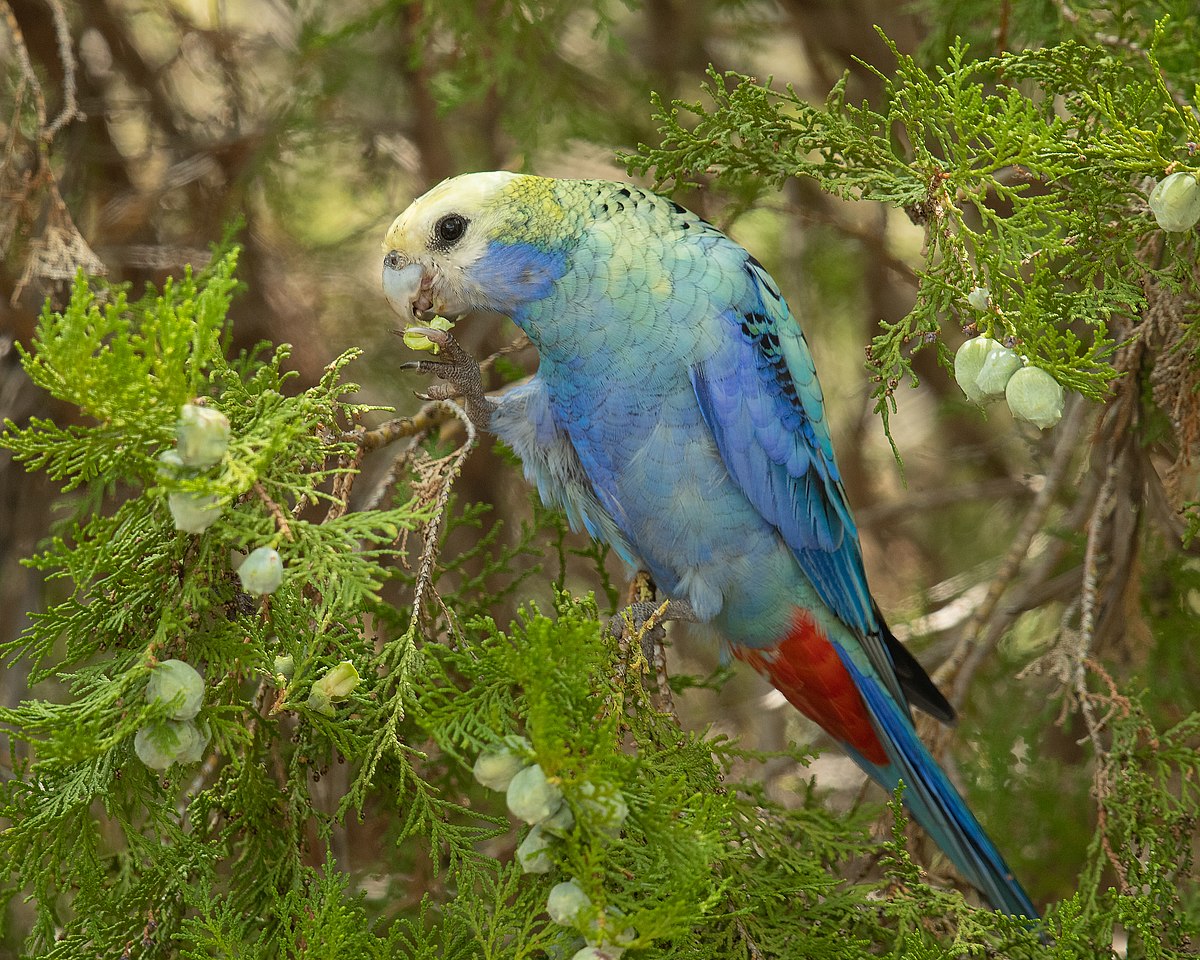 (Click on the image for a more detailed view)
This is the first year I’ve seen the pale-headed rosella here. (We’ve had brilliant red rosellas here before but they have given us a miss this year. Our new visitor has a stronger yellow colour in the head feathers but they won’t allow me to get a close enough photo of them to show you that feature. Yellow off-set by the deep red, light blue underbelly and dark blue wing, a magnificent looking bird.
.

Not a frequent visitor, but I love the blue-faced honeyeater when it does appear.
.
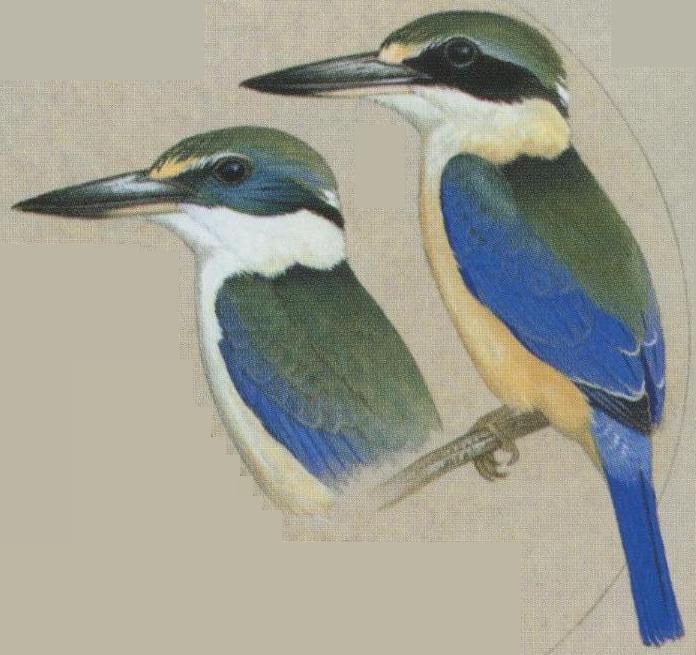
Another one very familiar to Australians – the kingfisher. I am used to seeing these fellows in bushland near creeks and rivers. I was surprised to see them where I am which is well away from any natural bodies of water. Maybe I’ve been misled by the “fisher” in their name.
.
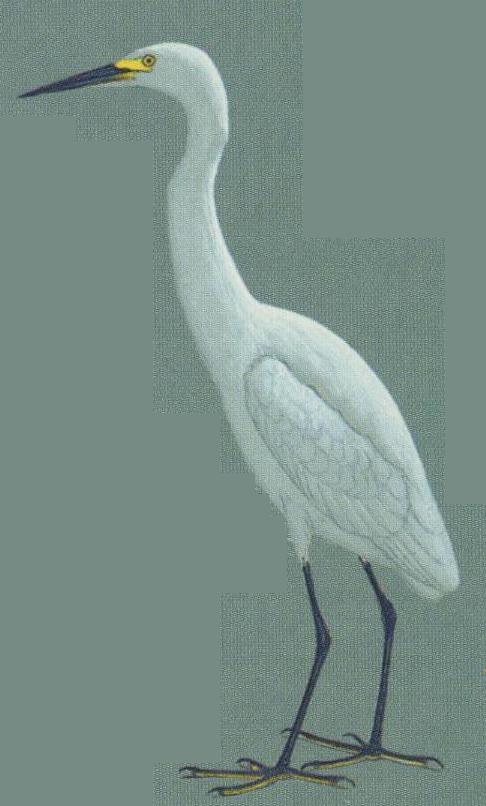
The egret flies through once a year, sometimes stopping in our backyard for a bite to eat.
.
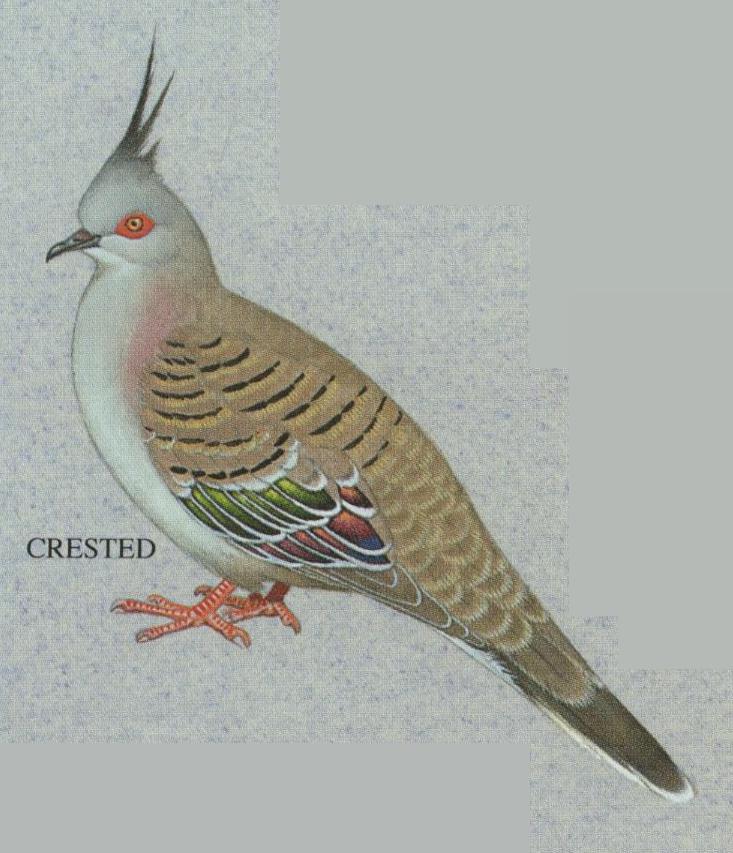
The crested dove reminds me of some of those dinosaurs with odd crowns protruding from their heads. Every time it takes flight its wings make a screechy-wheel sound, presumably to put off predators.
.
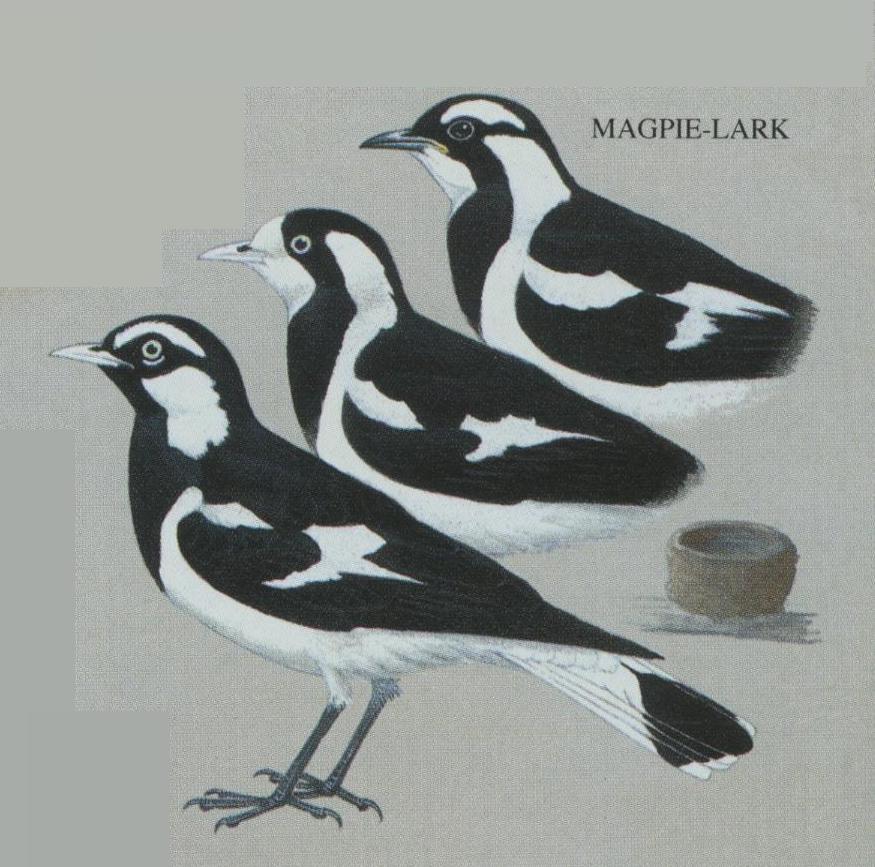
The magpie lark, more commonly known as the pee-wee, are very common throughout Australia. They can often be seen checking themselves out in reflections on parked car windscreens and rear vision mirrors.
.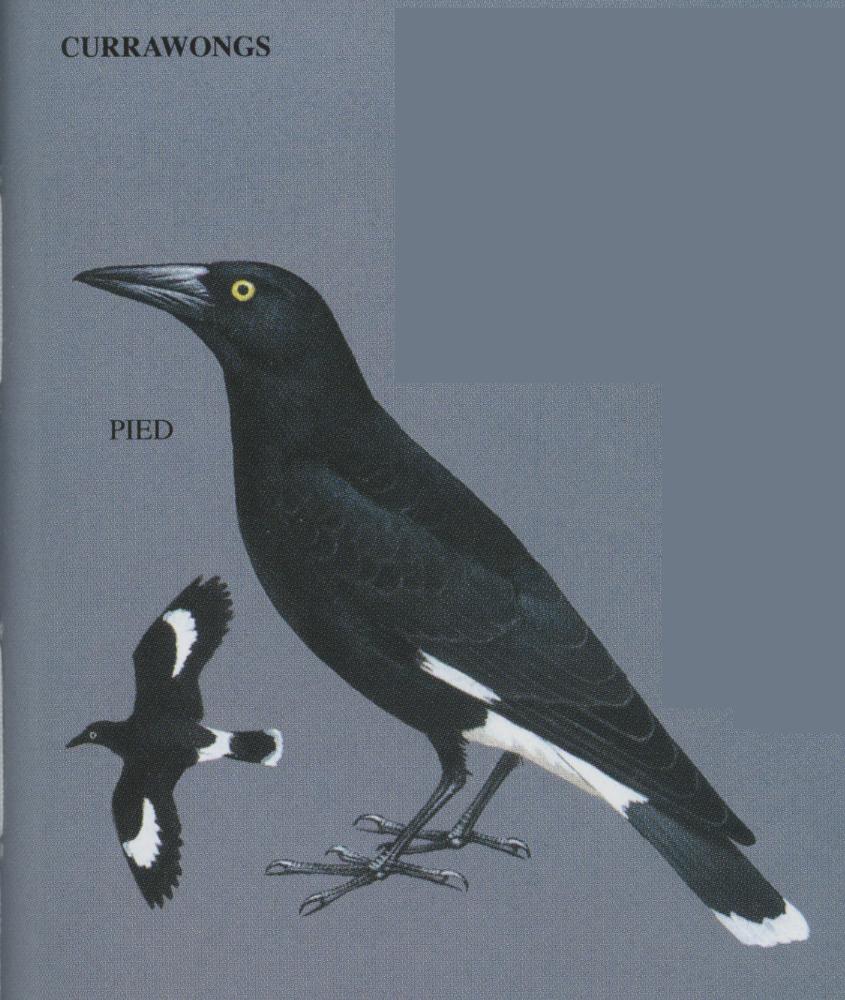
I don’t know why exactly, and I am sure if I did know I would not be able to justify my feelings, but I don’t like these currawongs very much. Maybe it’s because I see them as interlopers who sometimes take over territory from the much more interesting magpies (see the last post for those). They make a very tedious sound compared with the rich variation given by the magpie.
.


Neil Godfrey
Latest posts by Neil Godfrey (see all)
- What Others have Written About Galatians (and Christian Origins) – Rudolf Steck - 2024-07-24 09:24:46 GMT+0000
- What Others have Written About Galatians – Alfred Loisy - 2024-07-17 22:13:19 GMT+0000
- What Others have Written About Galatians – Pierson and Naber - 2024-07-09 05:08:40 GMT+0000
If you enjoyed this post, please consider donating to Vridar. Thanks!